Land Clearing Services: Preparing Your Property for New Possibilities
Land clearing operations are crucial for turning neglected or cluttered properties into functional spaces for development. These professionals meticulously remove obstacles, ensuring a smooth foundation for future projects. With a clear understanding of site assessments and environmental regulations, they enhance both safety and accessibility. Nevertheless, selecting the appropriate service can be challenging, and grasping the process is critical. What factors should landowners evaluate before embarking on this endeavor?
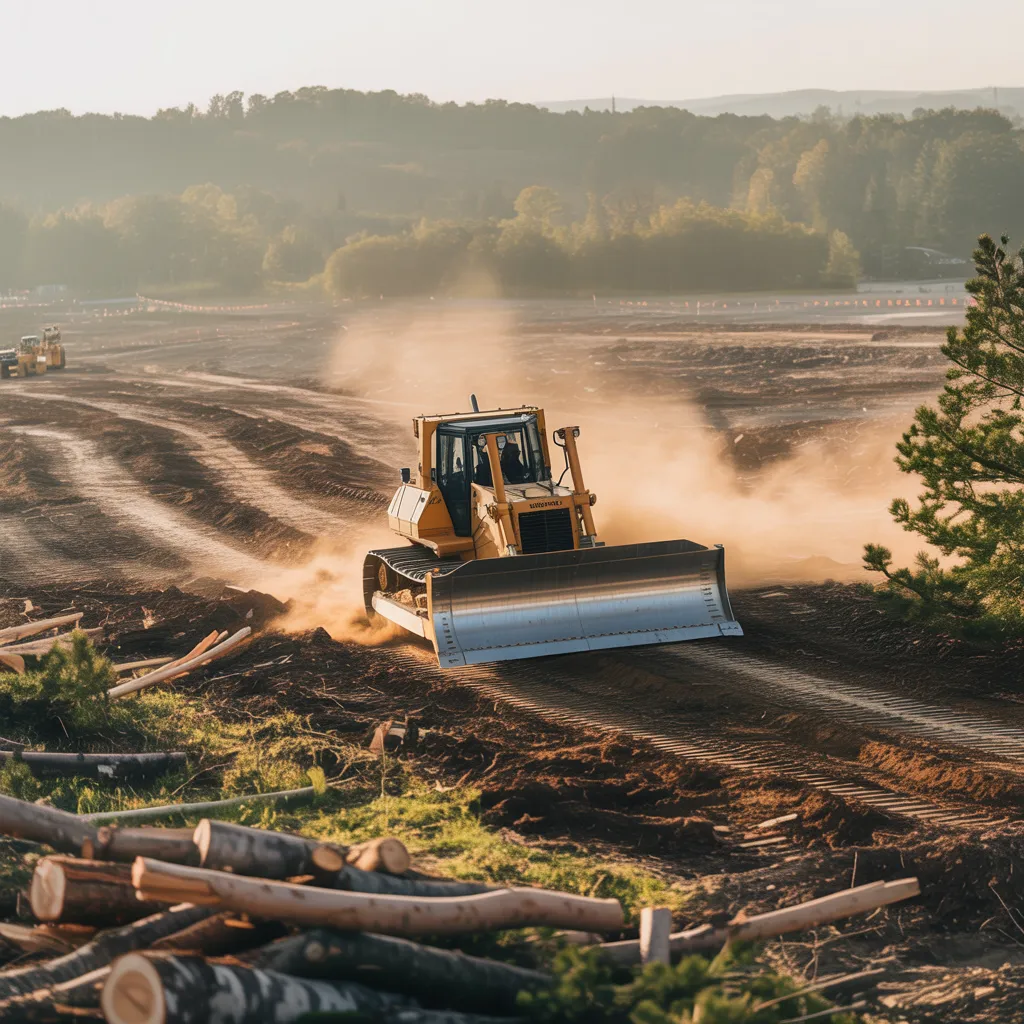
How Land Clearing Impacts Your Property Development Journey
Land clearing initiates the transformation of a property development project by preparing the site for future construction. This critical initial step involves removing obstacles such as trees, shrubs, and debris, creating a clean slate for builders and architects. By forming a clean and level foundation, land clearing boosts overall accessibility, enabling the seamless transport of equipment and materials.
Furthermore, it establishes the foundation for thorough planning and development, as planners can clearly see the arrangement and positioning of developments more precisely. The procedure also helps in recognizing probable environmental issues, such as issues with drainage or soil composition, enabling forward-thinking solutions.
In addition, land clearing can improve security by decreasing threats associated with dense vegetation and uneven terrain. When all is considered, this impactful process not only optimizes construction but also cultivates a better coordinated and deliberate approach to site development, creating the foundation for upcoming developments.
Steps Required in the Land Clearing Process
Clearing a site involves multiple critical steps that secure an effective and streamlined process. To begin, an in-depth site inspection is carried out to identify obstacles such as vegetation, rocks, and trees. This assessment informs the preparation stage, where clearance plans are formulated, considering environmental regulations and potential impacts.
Furthermore, property owners are often required to secure the appropriate permits, guaranteeing conformity with regional legal requirements. Upon gaining authorization to continue, heavy machinery, such as bulldozers and excavators, is employed to remove vegetation and debris. Throughout this stage, close attention is paid to limiting soil disturbance and preserving the integrity of adjacent areas.
Upon completing the clearing, the property receives leveling to achieve a even surface, preparing it for upcoming building projects or landscaping. To conclude, unwanted material is handled properly, commonly involving recycling or composting, rendering the land ready for new possibilities. All steps are vital to secure a productive land preparation project.
How to Choose the Right Land Clearing Company for Your Needs
Choosing the best land clearing service provider requires careful consideration to guarantee the project satisfies both expectations and regulations. Initially, potential customers should assess the company's background and expertise in managing similar undertakings. A seasoned contractor with a proven track record is frequently more dependable.
Moreover, it is important to confirm that the company holds the required permits and insurance, protecting both the customer and the premises while the clearing is underway. Furthermore, checking customer reviews and testimonials can supply helpful information into the firm's track record and quality of work.
Price estimates are equally important, as they should be open and thorough, covering all possible costs. Clients should seek multiple quotes to confirm they receive fair pricing. Finally, effective communication is essential; a professional contractor will respond to questions and concerns quickly, building a productive partnership. These factors collectively aid in selecting the best land clearing company to meet specific needs.
Eco-Friendly Approaches to Land Clearing
Embracing eco-friendly methods in land clearing is vital for minimizing environmental impact and promoting ecological balance. Companies committed to sustainability employ methods that reduce soil erosion, maintain local plant ecosystems, and protect local wildlife habitats. Methods like targeted vegetation removal allow for the removal of only specific trees and shrubs, minimizing impact on the surrounding environment.
Additionally, employing advanced equipment engineered for low-impact operations works to limit compaction of soil and deterioration of surrounding flora. Once clearing is complete, approaches including reforestation and planting cover crops are able to rejuvenate the expert advice area, improving ecological diversity and soil quality.
Additionally, integrating sustainable recycling methods, such as converting cleared vegetation into biofuel or organic mulch, contributes to a sustainable circular economy. When prioritizing these sustainable approaches, land management services can ensure that future development is consistent with sustainable environmental practices, cultivating a healthier landscape for generations to come.
Preparing Your Land for Future Projects
Before starting any building or landscaping endeavor, thorough land preparation is vital to securing a positive outcome. Initially, one must assess the land's topography, soil quality, and drainage patterns. Such an assessment enables well-informed choices concerning suitable vegetation, structures, or other developments. Removing debris, rocks, and undesirable vegetation from the land is essential, as it creates an unobstructed base for subsequent efforts.
Next, soil testing should be conducted to identify nutrient levels and pH balance, allowing for essential modifications to support vigorous plant development. In addition, outlining the scope and boundaries of the project helps streamline the process and minimizes potential disputes later on.
Finally, developing a comprehensive strategy that specifies the project's overall budget, scope, and timeline is critical. This organized approach not only establishes clear objectives but also serves as a roadmap for all participating parties, promoting effective movement toward accomplishing the projected targets.
The Reasons to Hire Professionals for Your Land Clearing Needs?
Hiring professionals for land clearing ensures access to professional expertise in machinery operation and upkeep. Their knowledge of safety protocols and compliance standards mitigates the risks involved in the site clearing process. Ultimately, this skilled approach boosts productivity and fosters a more secure work environment.
Mastery In Equipment Use
Managing the challenges of land clearing demands professional expertise and advanced equipment, which is where professional contractors stand out. Professionals possess extensive training in operating heavy-duty machines, such as excavators, bulldozers, and stump grinders. This proficiency ensures that work is accomplished efficiently and effectively, limiting harm to the nearby environment. Furthermore, professionals are familiar with the most current methods, enabling them to handle difficult landscapes and heavy vegetation with confidence. Their skill not only improves output but also minimizes the chance of expensive errors that can arise from improper equipment use. By hiring experts, landowners can rest assured that their land will be cleared safely and thoroughly, preparing the groundwork for future development or improvements.
Safety And Regulatory Standards
A complete understanding of safety and compliance standards is vital in land clearing projects, as it guarantees the safety of both workers and the environment. Experienced land clearing experts are equipped to adhere to industry best practices and local regulations, limiting hazards associated with hazardous materials, heavy machinery, and environmental degradation. They enforce essential safety procedures, including the utilization of personal protective equipment (PPE) and carrying out risk assessments before starting operations. Compliance with regulations not only mitigates legal risks but also supports environmentally sound land management. Hiring experts ensures that all procedures are performed with safety and efficiency, allowing property owners to focus on their projects without the burden of managing complex regulations and safety concerns.
Frequently Asked Questions
What Permits Are Necessary for Land Clearing Projects?
Required permits for land clearing projects typically include environmental permits, grading permits, and possibly local zoning approvals. Regulations vary by location, so consulting local authorities guarantees compliance with all necessary legal requirements prior to beginning the project.
What Is the Typical Duration of the Land Clearing Process?
The process of land clearing typically takes one to several weeks, based on factors including the size of the area, the thickness of vegetation, and local weather conditions. Each project is unique, influencing the overall timeline considerably.
Can Land Clearing Improve Property Value?
Absolutely, land clearing can enhance real estate value. By getting rid of barriers and improving the overall appearance, it makes the land more appealing to prospective buyers, thereby improving marketability and general value of the property in the housing market.
What Equipment Is Employed in Land Clearing?
Land clearing typically employs machinery such as chainsaws, bulldozers, excavators, and chippers. These machines effectively eliminate trees, brush, and debris, ensuring the land is prepared for future development or agricultural activities.
What Are the Risks of DIY Land Clearing?
Indeed, there are risks associated with DIY land clearing such as injuries caused by heavy machinery, property damage, and harm to the surrounding environment. Moreover, improper techniques can lead to legal issues regarding permits and regulations, making the process even more complicated.